

Intricate Inlays
Significance of Inlays in Woodworking
In the intricate world of woodworking, inlays stand as a testament to the fusion of craftsmanship and artistry. Inlay work involves the incorporation of contrasting materials into wood surfaces, creating decorative details that elevate the aesthetic appeal of a piece. The significance of inlays lies not only in their visual impact but also in the skill, precision, and creativity they demand from woodworkers. These ornate embellishments add a touch of sophistication and uniqueness to wooden creations, turning functional pieces into works of art.
Historical Context of Decorative Inlays
The roots of inlay work trace back through the annals of history, weaving a narrative of cultural richness and artistic expression. From ancient civilizations to the Renaissance and beyond, inlays have adorned the surfaces of furniture, musical instruments, and architectural elements. Inlay techniques were perfected by skilled artisans, creating intricate patterns and scenes that told stories of craftsmanship and cultural identity. The historical context of decorative inlays serves as a source of inspiration for modern woodworkers, connecting them to a legacy of artistry that transcends time.
Overview of the Art and Craft of Inlay Work
The art and craft of inlay work encompass a diverse range of techniques and materials, each contributing to the uniqueness of the final piece. Whether it’s the delicate precision of marquetry, the puzzle-like assembly of intarsia, or the innovative use of modern materials like laser-cut designs, inlay work invites woodworkers to push the boundaries of their creativity. This overview sets the stage for a journey into the world of inlays, where intricate details meet skilled hands, and where the marriage of tradition and innovation gives rise to exceptional woodwork.
Types of Inlays and Materials
Traditional Inlay Techniques
Marquetry:
Marquetry is a traditional inlay technique that involves the placement of thin veneers or inlay materials onto a wooden surface to create intricate patterns or pictures. Artisans meticulously cut these veneers into shapes, often using different wood species to achieve contrasting colors and textures. The individual pieces are then assembled like a puzzle, forming a cohesive design. Marquetry is renowned for its precision and the ability to create detailed, pictorial representations on furniture, cabinets, and decorative items.
Intarsia:
Intarsia, another traditional inlay technique, differs from marquetry in its approach. In intarsia, pieces of wood are cut to shape and then fit together like a jigsaw puzzle to form a mosaic-like pattern. This method allows for three-dimensional effects and the creation of intricate scenes or geometric designs. Intarsia often involves the use of various wood species to enhance the contrast and visual appeal of the final composition. Popular in furniture making and wall decorations, intarsia showcases the woodworker’s skill in achieving seamless integration of diverse elements.
These traditional inlay techniques not only contribute to the visual richness of woodwork but also serve as a testament to the craftsmanship and dedication required to master the art of inlay. As we delve further into the realm of inlay work, we will explore modern approaches and innovative materials that have expanded the possibilities of this age-old craft.
Modern Approaches and Innovative Materials
Laser-Cut Inlays:
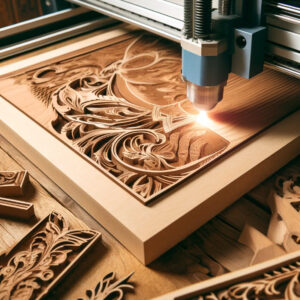
Modern technology has ushered in a new era for inlay work with the advent of laser-cutting techniques. Laser-cut inlays involve the precise cutting of intricate designs into wood or other materials using laser technology. This method allows for unparalleled precision, enabling woodworkers to create highly detailed and complex patterns. Laser-cut inlays provide a level of intricacy that may be challenging to achieve through traditional hand-cut methods. The versatility of this approach opens doors to a wide range of design possibilities, from intricate geometric shapes to personalized engravings.
Resin and Metal Inlays:
In the realm of contemporary inlay work, artisans are exploring innovative materials like resin and metal to enhance the visual impact of their creations. Resin inlays involve pouring colored or translucent resin into engraved or recessed areas on a wooden surface. This not only adds vibrant hues but also introduces a layer of depth and texture. Metal inlays, such as brass, copper, or pewter, bring a touch of elegance and contrast to woodwork. These materials can be seamlessly integrated into intricate designs, providing a modern twist to the traditional art of inlay.
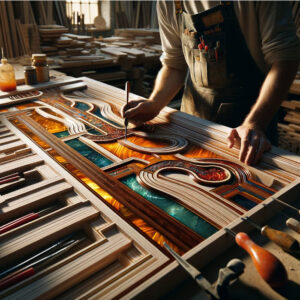
Modern technology and materials broaden inlay work, giving woodworkers creative possibilities. Exploring these methods reveals laser-cut, resin, and metal inlays’ appeal. Precision cutting and material blending signify modern inlays’ mix of tradition and innovation in woodworking.
Mastering Inlay Techniques
Precision Cutting and Fitting
Tools for Intricate Inlay Work:
Achieving precision in inlay work relies heavily on the selection of the right tools. Woodworkers often employ a set of specialized tools to facilitate intricate cuts and ensure a seamless fit. Some essential tools for precise inlay work include:


Scroll Saw:
Ideal for intricate and curved cuts, a scroll saw allows woodworkers to navigate through detailed patterns with precision.

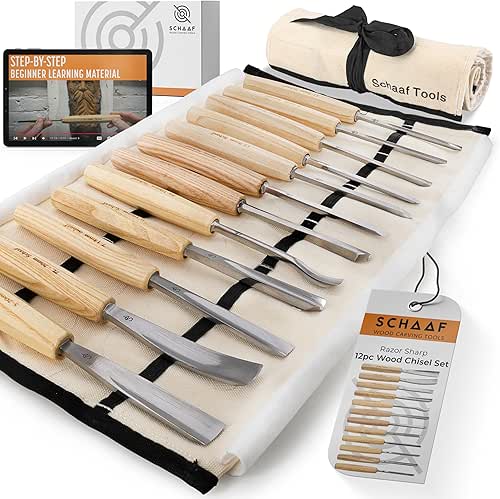
Chisels:
Sharp chisels are crucial for refining the edges of inlay pieces and ensuring a snug fit within the receiving wood.
Router with Inlay Kit:
Routers equipped with inlay kits enable woodworkers to create recesses in the wood surface, providing a perfect cavity for inlay pieces.


Techniques for Seamless Integration:
Achieving a flawless integration of inlay pieces into the wood surface requires a combination of skillful techniques and attention to detail.
Scoring and Paring:
Scoring the outline of the inlay area and carefully paring away excess material ensures precise boundaries for the inlay.
Test Fitting:
Before applying adhesive, test fitting inlay pieces helps confirm the accuracy of cuts and allows adjustments for a tight fit.
Gluing and Sanding:
Using a high-quality wood glue, apply a thin layer to both the inlay and the receiving wood. After drying, sanding the surface carefully ensures a smooth, flush finish.
Choosing and Preparing Materials
Wood Selection:
The success of inlay work hinges on the careful selection of wood species. Woodworkers must consider the chosen wood’s color, grain pattern, and stability to ensure a harmonious integration with the base material. Contrasting wood species often enhances the visual impact of the inlay, allowing intricate patterns to stand out. Additionally, considering the movement characteristics of different woods is crucial to prevent issues such as warping or shrinking over time. Whether opting for traditional hardwoods or experimenting with exotic species, the choice of wood plays a pivotal role in the overall aesthetics and longevity of the inlay.
Preparing Veneers and Inlay Components:
The process of preparing veneers and inlay components demands meticulous attention to detail to achieve a seamless result.
Veneer Thickness:
Selecting the appropriate thickness for veneers is essential. Thinner veneers are suitable for intricate designs, while thicker veneers provide more depth and stability.
Grain Orientation:
Aligning the grain direction of the veneer with that of the receiving wood ensures uniform expansion and contraction, minimizing the risk of separation.
Cutting and Sanding:
Precision cutting of veneers and inlay components is crucial for a snug fit. Using sharp tools and sanding to refine the edges contributes to the overall quality of the inlay.
Material Compatibility:
When incorporating materials like resin or metal into the inlay, ensuring compatibility with the chosen wood is vital. Factors such as expansion rates and adhesive compatibility must be considered.
Applications of Inlays in Woodworking
Furniture Embellishments:
In the rich tapestry of woodworking, inlays stand out as distinguished embellishments, turning furniture into exquisite pieces of functional art. From the delicate patterns of marquetry adorning tabletops to intricately crafted inlays on drawer fronts and cabinet doors, furniture becomes a canvas for artistic expression. Woodworkers, drawing on both traditional and modern techniques, can elevate the aesthetic appeal of chairs, cabinets, and dressers. Whether it’s the timeless allure of classical motifs or the bold exploration of contemporary geometric designs, inlays contribute to the uniqueness, sophistication, and visual impact of furniture pieces.
In the realm of furniture making, inlays not only serve a decorative purpose but also showcase the skill and craftsmanship of the woodworker. The marriage of contrasting wood species, precision cuts, and seamless integration transforms functional items into statement pieces that add character and personality to any space.
Decorative Woodcraft Projects:
Beyond the realm of traditional furniture, inlays find a creative home in a myriad of decorative woodcraft projects. Wooden boxes, picture frames, and intricately carved ornaments become canvases for woodworkers to showcase their artistic prowess. The advent of laser-cut inlays enables the translation of intricate designs, personal engravings, and even abstract expressions onto wood surfaces. Meanwhile, the time-honored technique of intarsia allows woodworkers to create captivating scenes or geometric patterns, infusing smaller-scale projects with a touch of artistic flair.
These decorative woodcraft projects not only serve as opportunities for creative expression but also act as exploratory grounds for experimenting with diverse materials. Woodworkers can push the boundaries of inlay possibilities, introducing innovative combinations and techniques that bring a contemporary twist to this ancient art form.
Flooring and Architectural Elements:
Inlays extend their influence beyond individual pieces of furniture, making a grand statement in larger spaces through applications in flooring and architectural elements. Wooden floors are transformed into works of art with the addition of intricate patterns or borders created through inlay work. Door panels, staircases, and wainscoting become opportunities for woodworkers to infuse spaces with a touch of elegance and craftsmanship.
In architectural applications, inlays serve as focal points, turning ordinary surfaces into captivating visual experiences. The incorporation of inlays in architectural elements allows for the creation of unique, customized spaces that reflect both the functional and artistic sensibilities of the woodworker. Staircases become more than just a means of ascent; they become sculptural masterpieces, and doors evolve into portals adorned with intricate designs.
As we explore the diverse applications of intricate inlays in woodworking, it becomes evident that these decorative details transcend mere functionality. Instead, they turn ordinary wooden surfaces into masterpieces that tell stories of creativity, craftsmanship, and artistic exploration. The marriage of traditional techniques with modern approaches allows woodworkers to infuse creativity into various aspects of woodworking, leaving an indelible mark on the pieces they craft. In our concluding section, we’ll reflect on the timeless allure of inlays and the role they play in inspiring woodworkers to continue pushing the boundaries of their craft.
Conclusion
Celebrating the Art of Inlay Work:
Concluding our inlay journey, let’s celebrate its artistry and craftsmanship. Inlays showcase beauty through marquetry, intarsia, or modern techniques like laser cutting. They are stories told with chosen materials, precision cuts, and seamless integration, turning woodwork into visual symphonies.
Encouraging Exploration and Creative Expression:
The world of inlay work beckons woodworkers to explore new horizons and express their creativity in unique ways. From personalized laser-cut designs to the intricate puzzles of traditional intarsia, the possibilities are as vast as the imagination. Encouraging woodworkers to push boundaries, experiment with diverse materials, and embrace both tradition and innovation fosters a culture of continuous exploration. In this dynamic intersection of skill and creativity, woodworkers find a canvas for self-expression and artistic growth. Intricate Inlays.
Continuing the Tradition of Decorative Woodworking:
Inlay work is a torchbearer of the rich tradition of decorative woodworking. It connects contemporary artisans with the legacy of marquetry masters and intarsia craftsmen from centuries past. As we continue this tradition, the art of inlay serves as a bridge between the old and the new, blending techniques that have withstood the test of time with innovations that propel woodworking into the future. By embracing and furthering this tradition, woodworkers contribute to the ongoing narrative of craftsmanship and artistry.
In the tapestry of woodworking, inlay work stands out as a vibrant thread, weaving together aesthetics, skill, and tradition. Let’s celebrate inlays’ beauty and start our creative journeys, pushing wood’s limits. In doing so, we honor and evolve this tradition. This ensures inlay work’s allure continues to inspire future woodworkers. Intricate Inlays.